Shop-Altered Photos
Revised 8/21/24 Substituted one better original
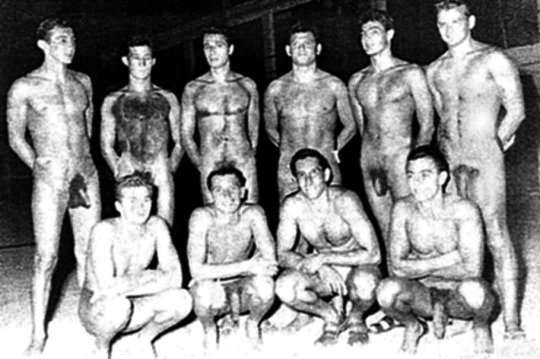
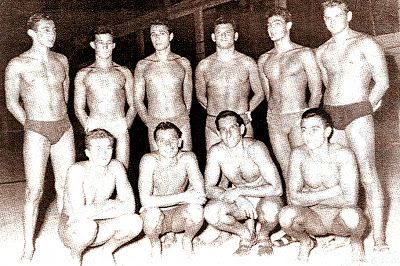
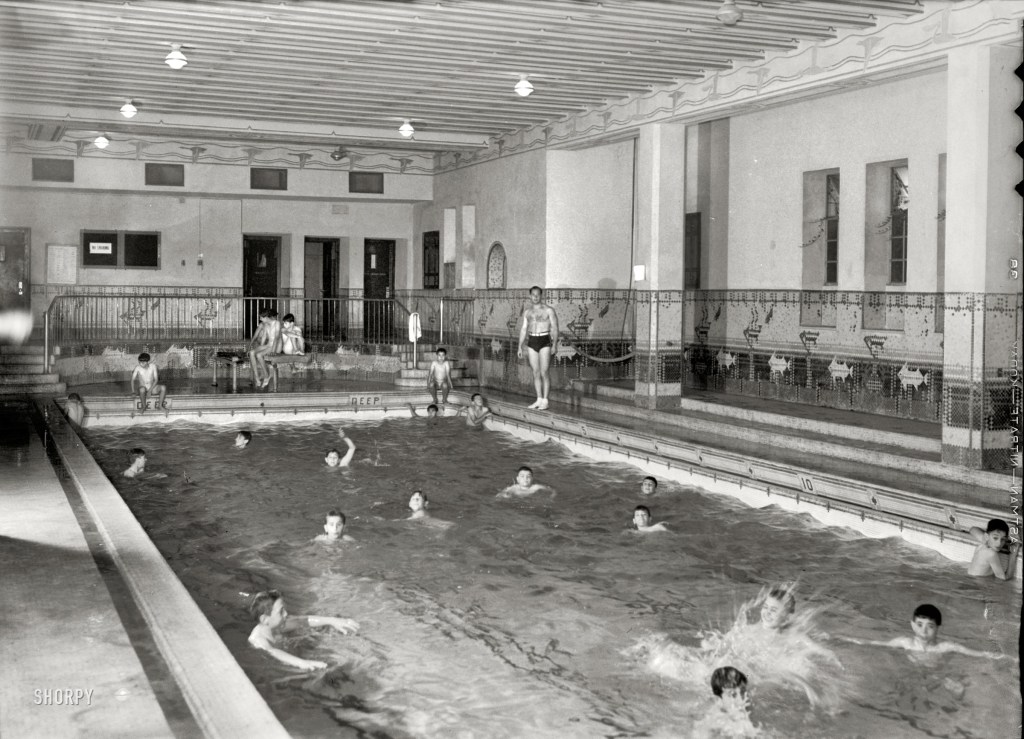
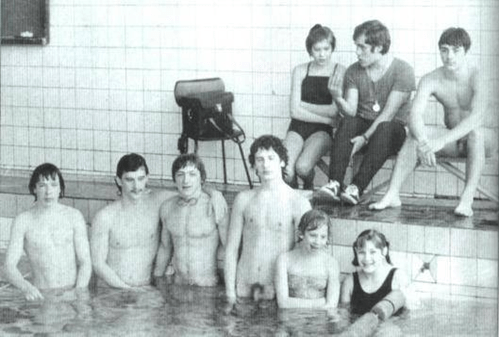
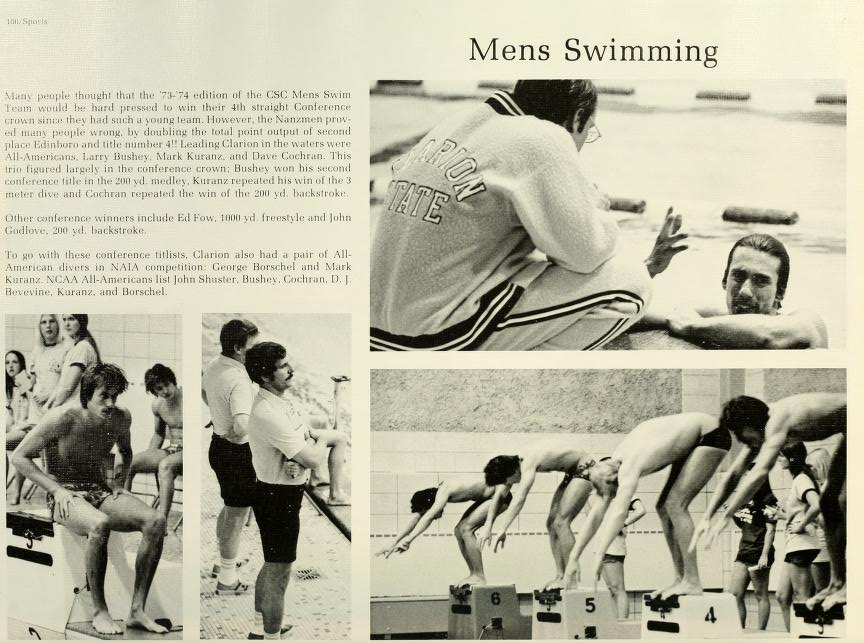
This posting will deal with the fakes that were generated by deliberate alteration of images using PhotoShop-type software. As mentioned in a previous post, this is only one method of fakery. The others will be investigated in later posts. In this post the originals and the corresponding fakes are displayed together, leaving no doubt about the fraud. In each case the titillating fake is shown first followed by the prosaic original.
The faked images have been all over the internet for years masquerading as the genuine article. Some readers may find their jaws dropping when they see some of these because they had bought into the trick.
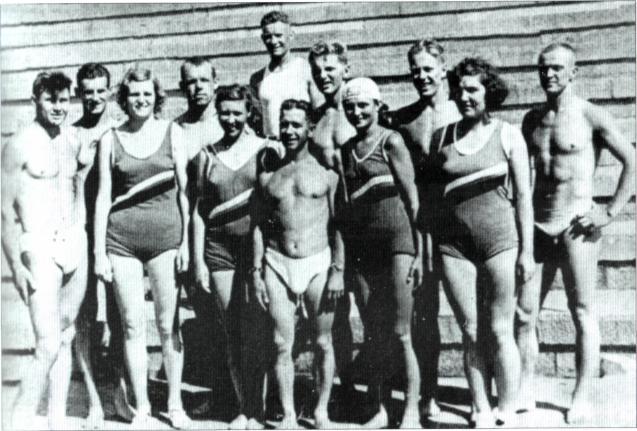
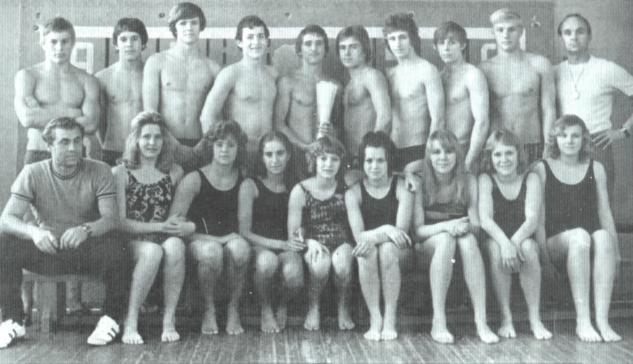
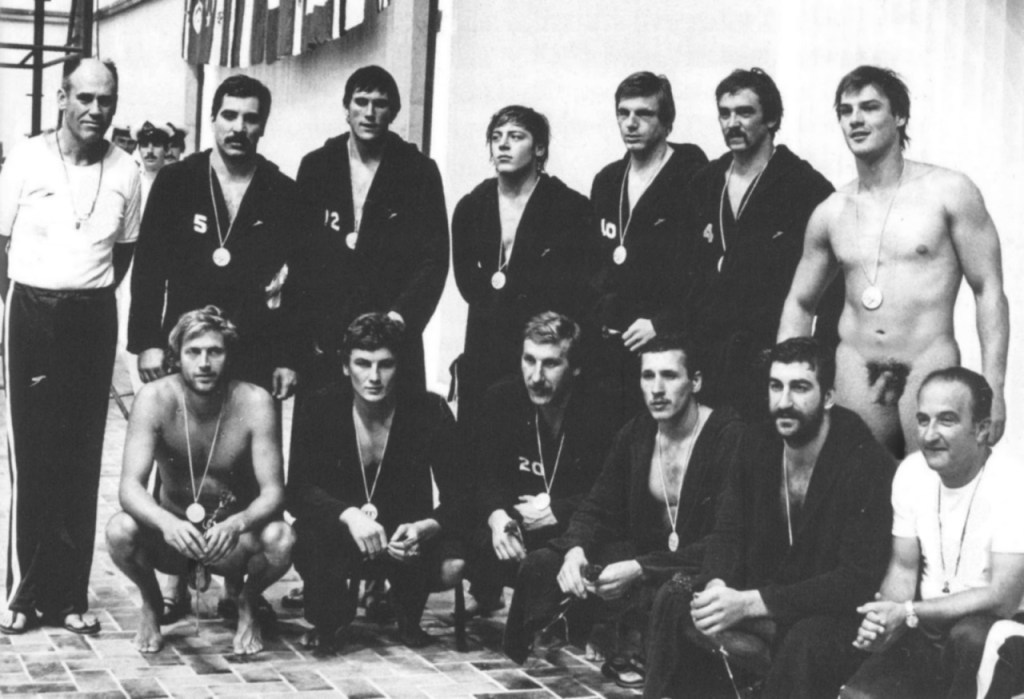
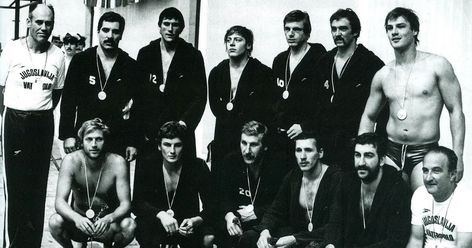
One large pool of photos that were ripe for falsifying were those appearing in Resource 3 and outed in Resource 2. The former was a history of competitive swimming in the old Soviet Union from 1920 through the 1980’s. It is entirely in the Russian language but Resource 2 provides translations of many of the picture labels. These are presented in the first group along with some other Eastern European images.
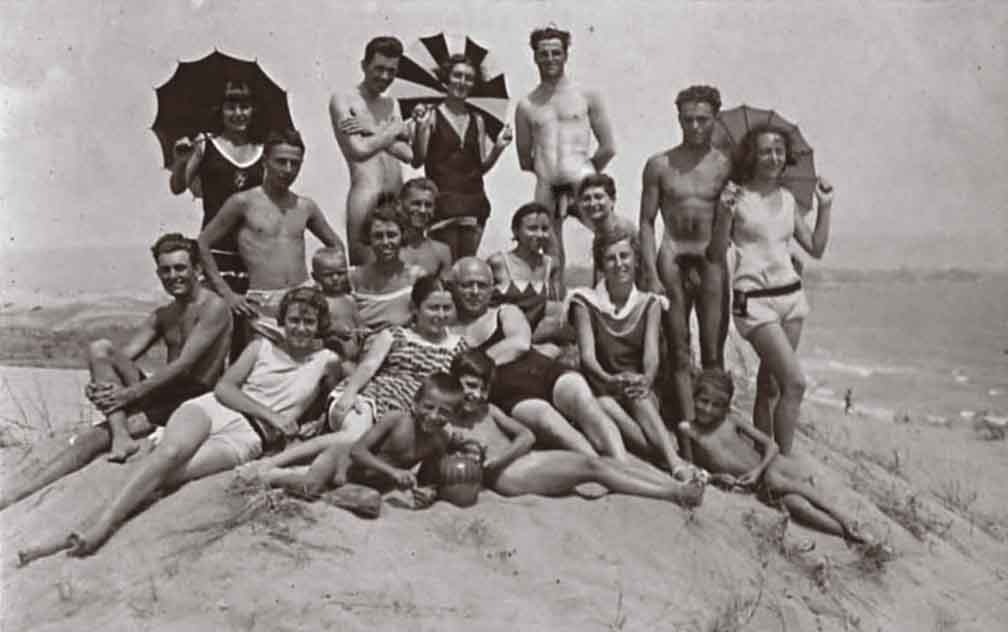

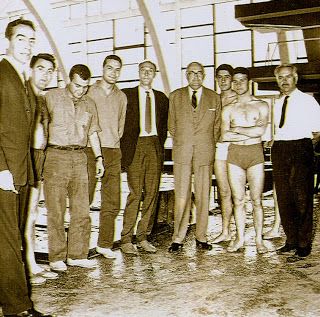
The original of this picture is prominently featured in Resource 1. It is unattributed in that source. As before, one can take or leave the attribution, but the images speak for themselves.
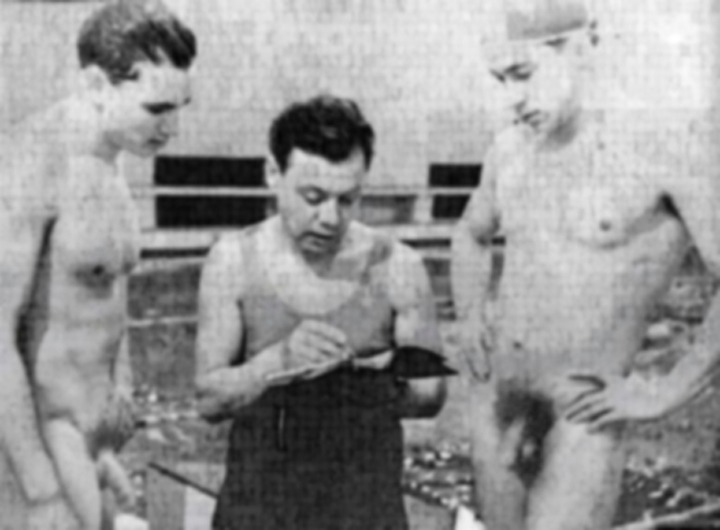

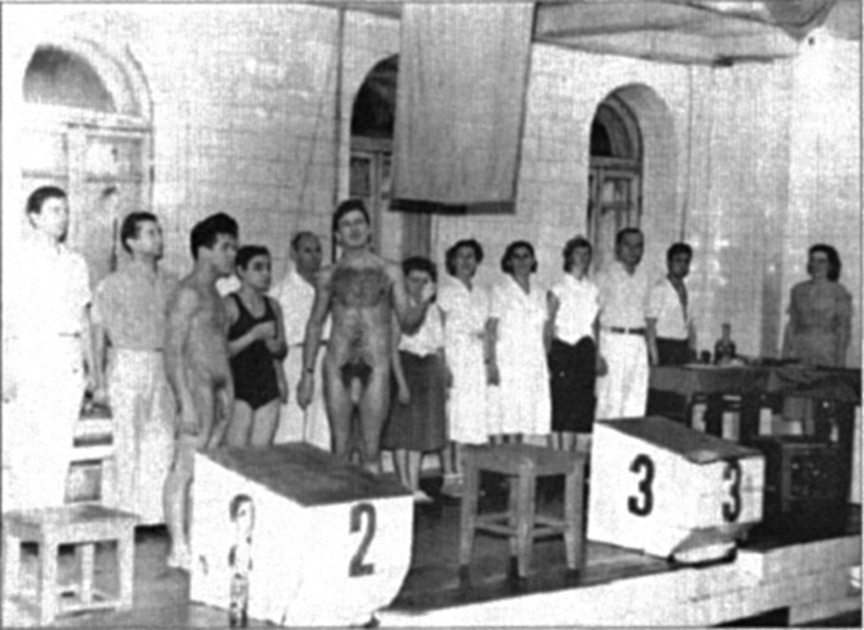


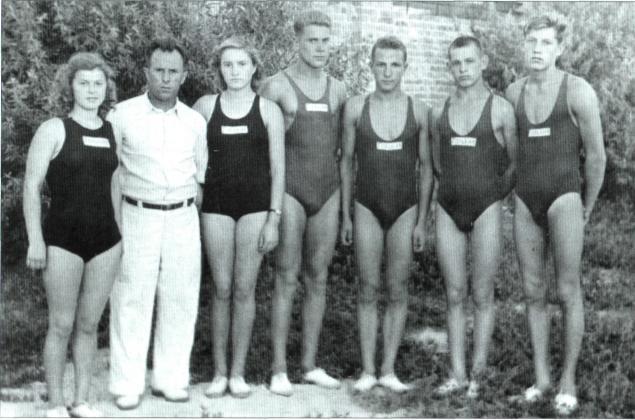
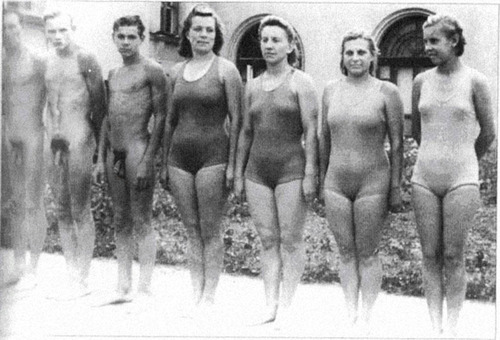
This is a particularly clumsy forgery since the males in the fake are almost half-tone compared with the other figures. It instantly arouses suspicion.




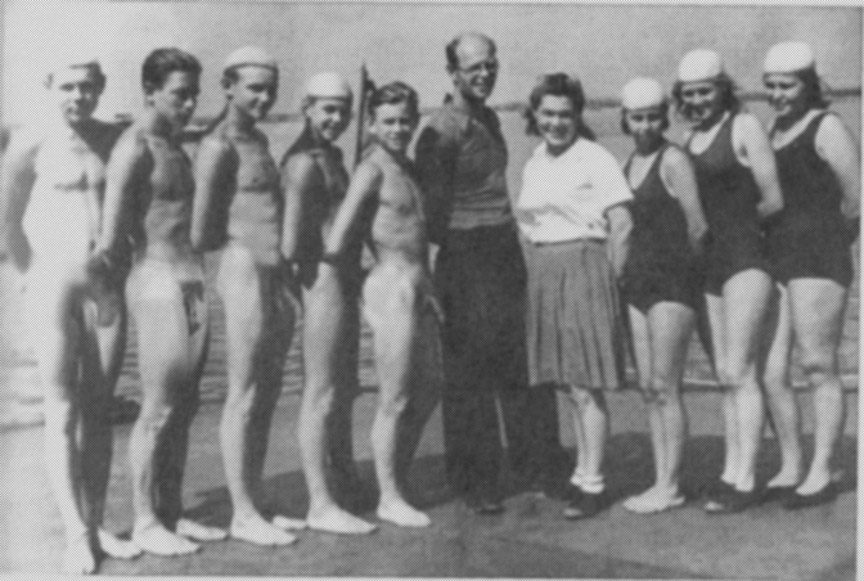

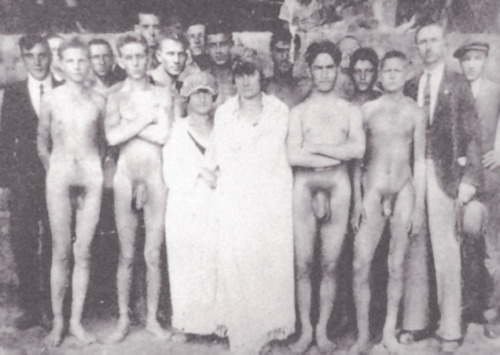
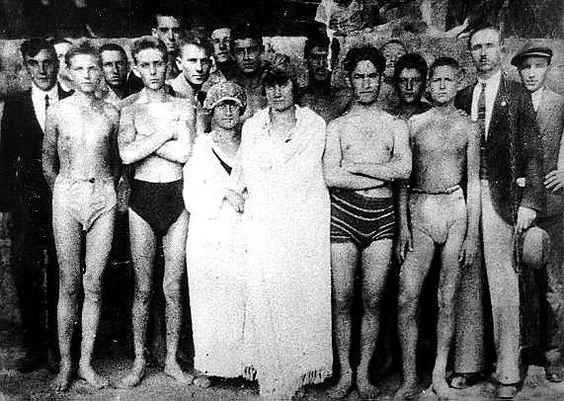




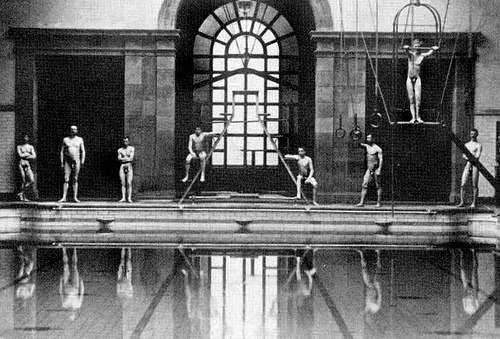


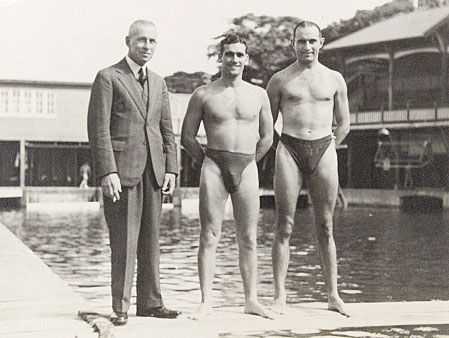
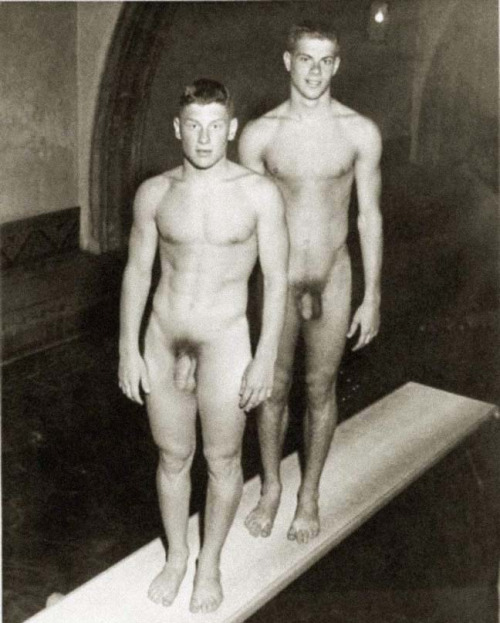
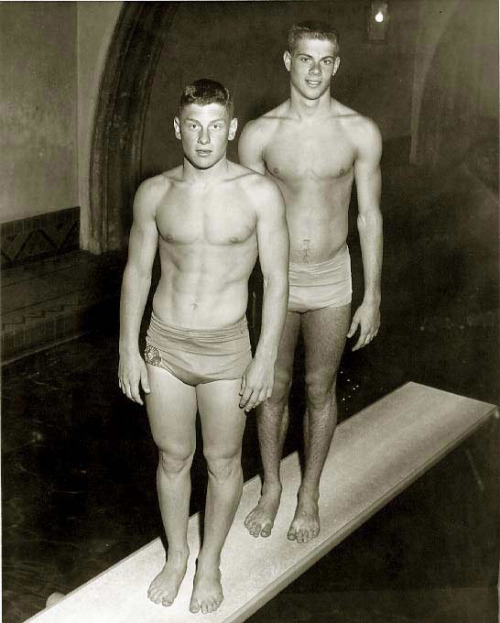
I have to allow that this is an exceptionally skillful forgery. You can blink back and forth between these two versions and see no difference except that the suits disappear and reappear.

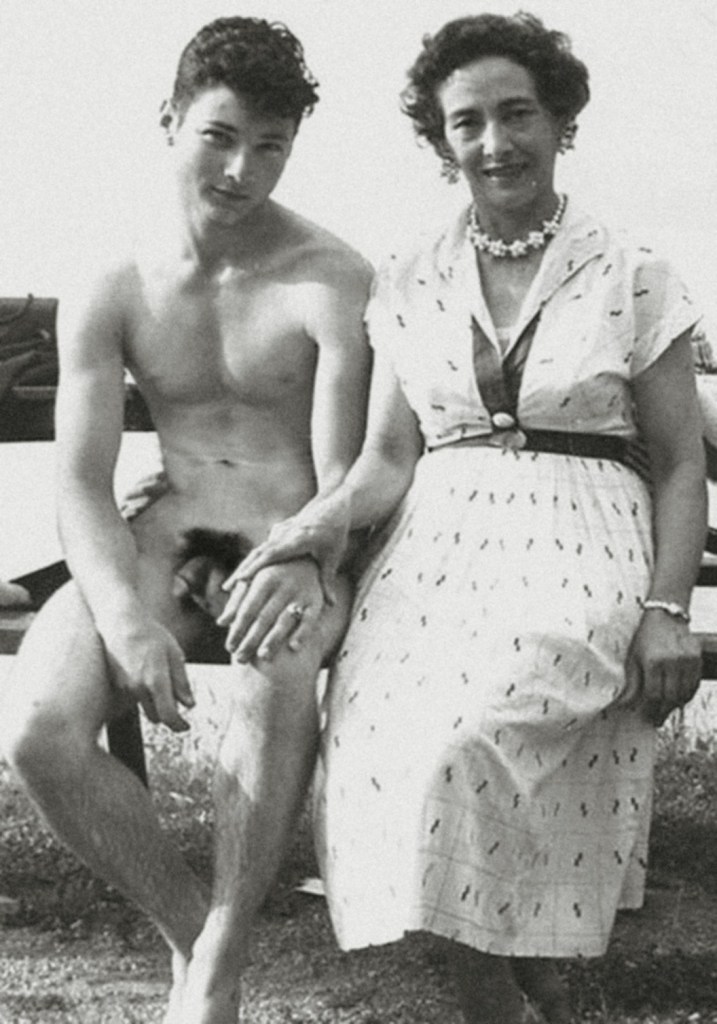
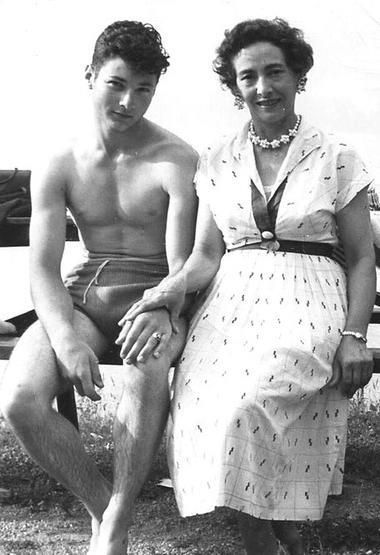
20. Mother and Son at the Beach 1950s
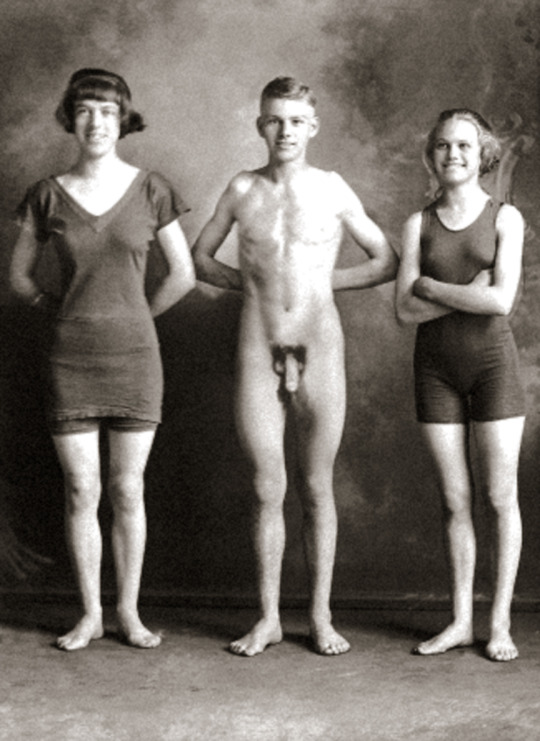
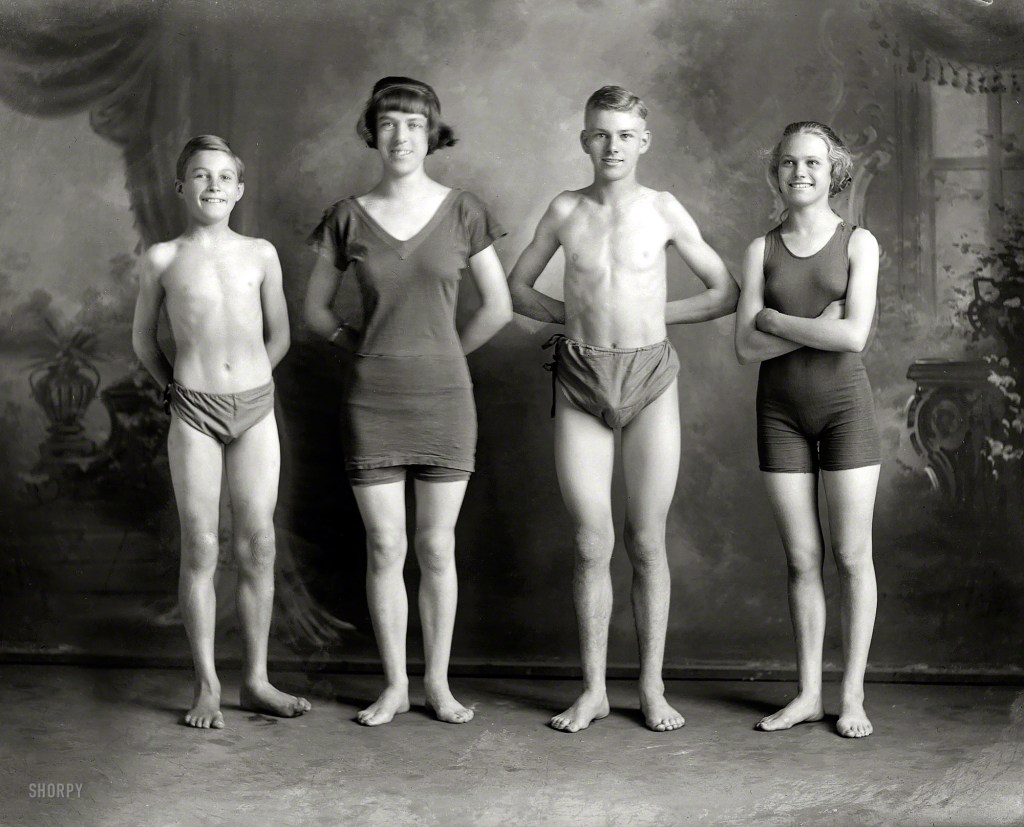


Note that the fake has been decolorized. This type of fakery will be discussed in the next posting.
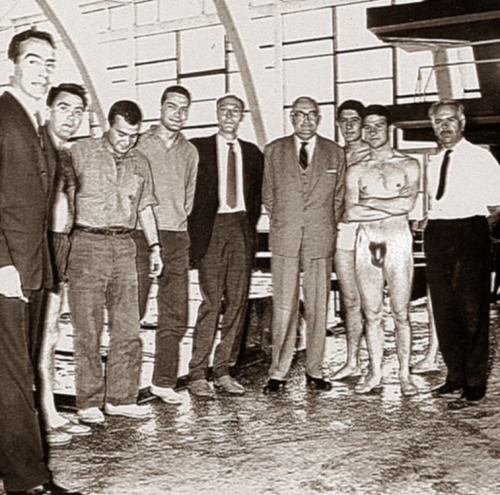
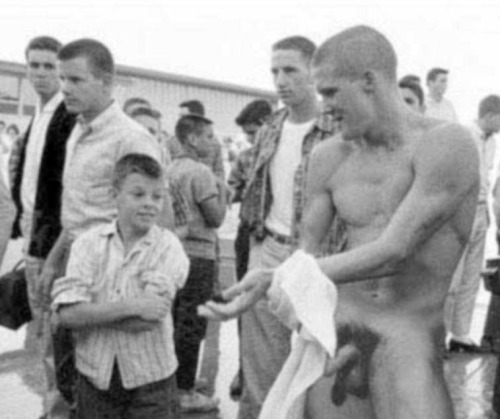
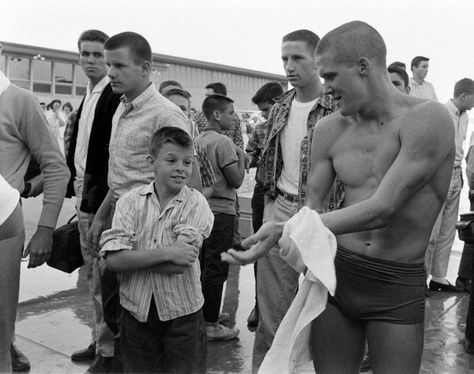


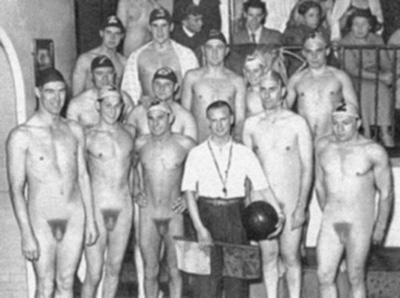



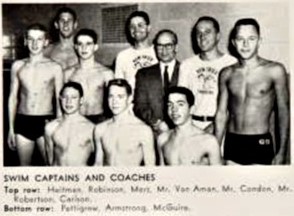



Lake Oswego High School (LOHS), Oregon, 1964

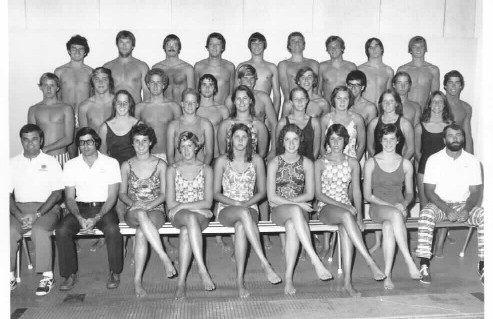




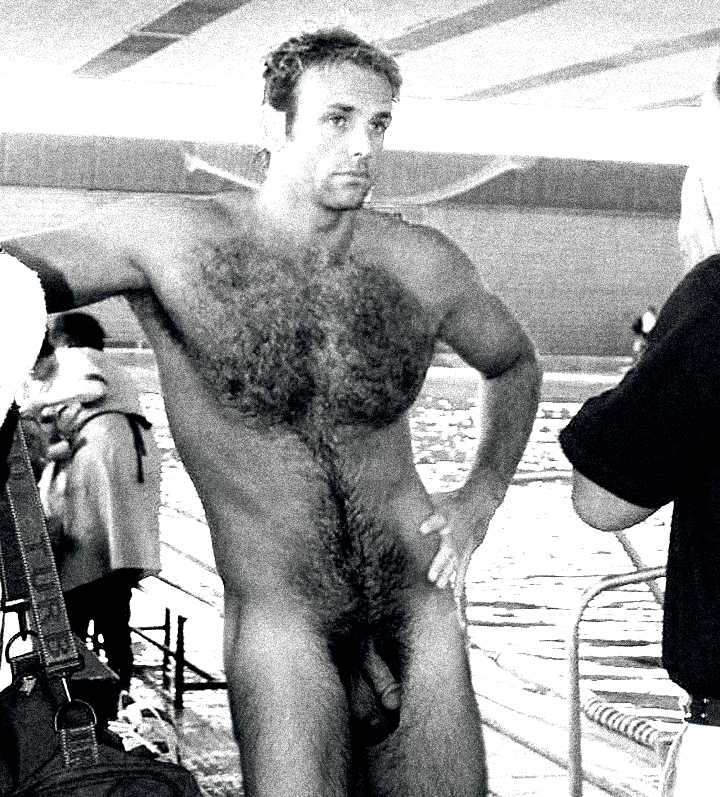
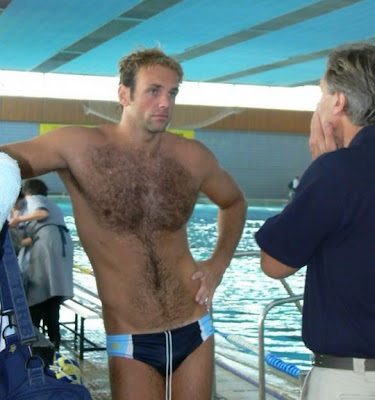
A water polo competitor altered by Photoshop using a Mcintosh on February 26 ,2013.


Probably an artsy shot perverted by a faker.

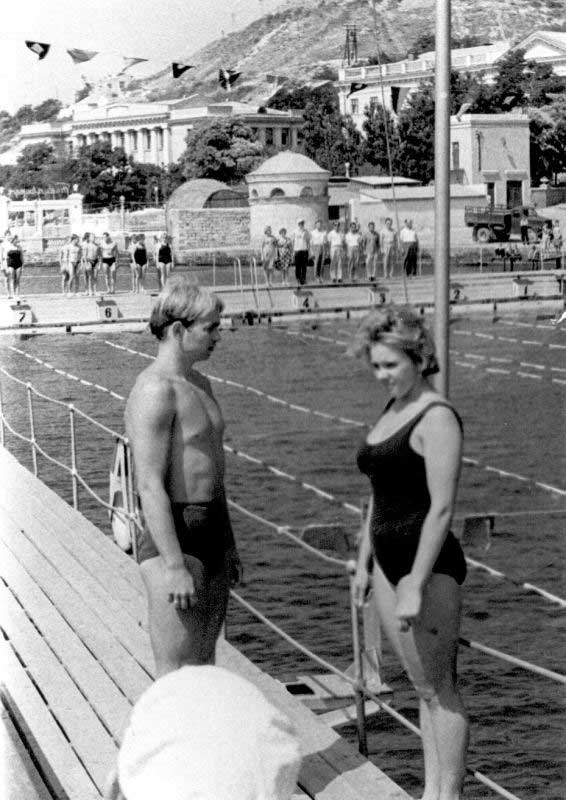
The faked version of this image has been all over the internet. The guy pictured was an international champion underwater swimmer (I wonder how much spectator attention that drew) for the old Soviet Union. He was actually a Ukrainian. He nevertheless got no respect from a forger.
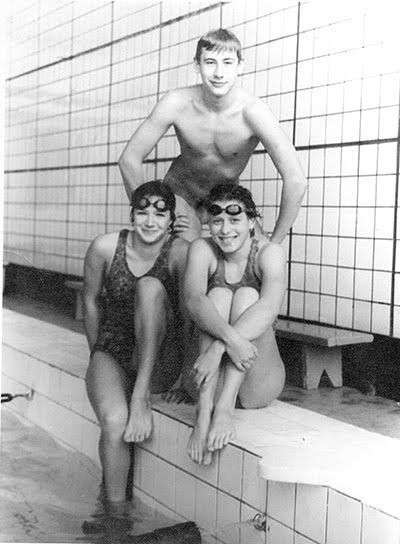

Russian swimming photos have been preferred fodder for Photoshoppers. This is yet another example – although probably more recent than many of the above.
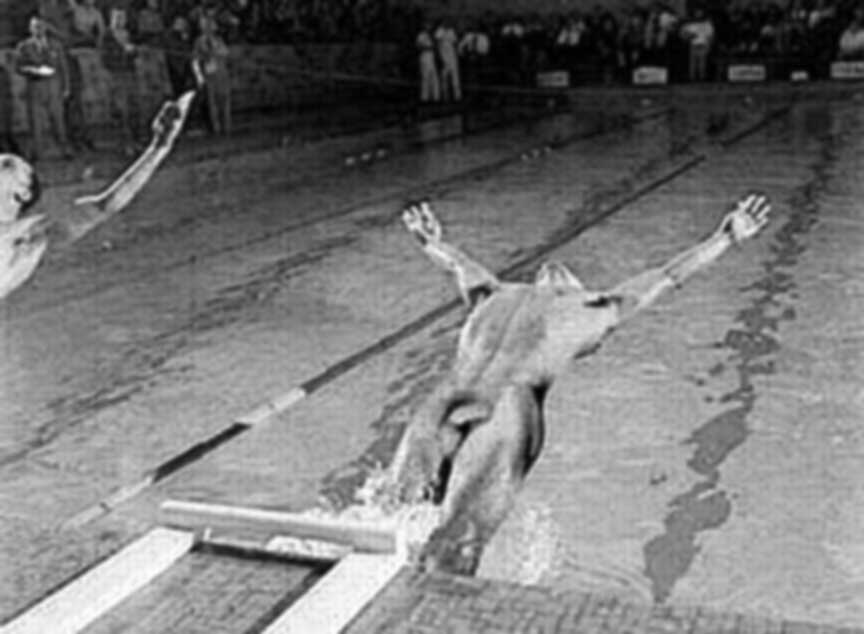
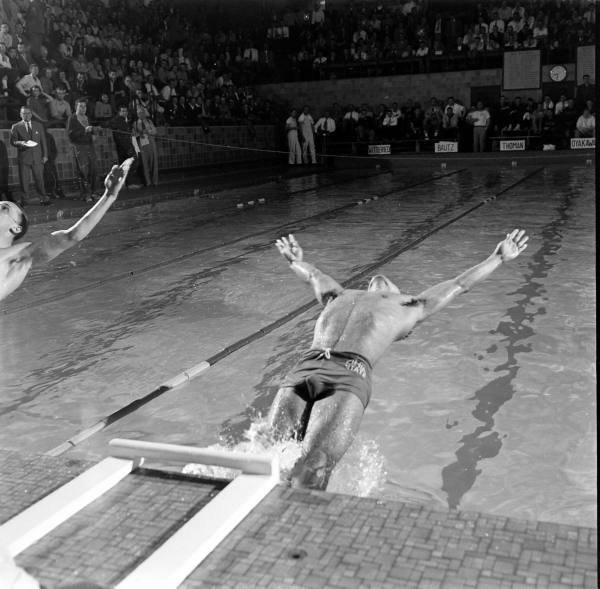
It is March 30, 1953 and the is an AAU-sanctioned intercollegiate swimming tournament being held at Ohio State University’s natatorium. A forger found this LIFE magazine image and “improved” it. That occurred on June 23, 2012, using Photoshop on a Mcintosh.
During that same tournament, LIFE photographers captured some arresting images of the diving competition as seen in the next two pairs of altered and unaltered images.
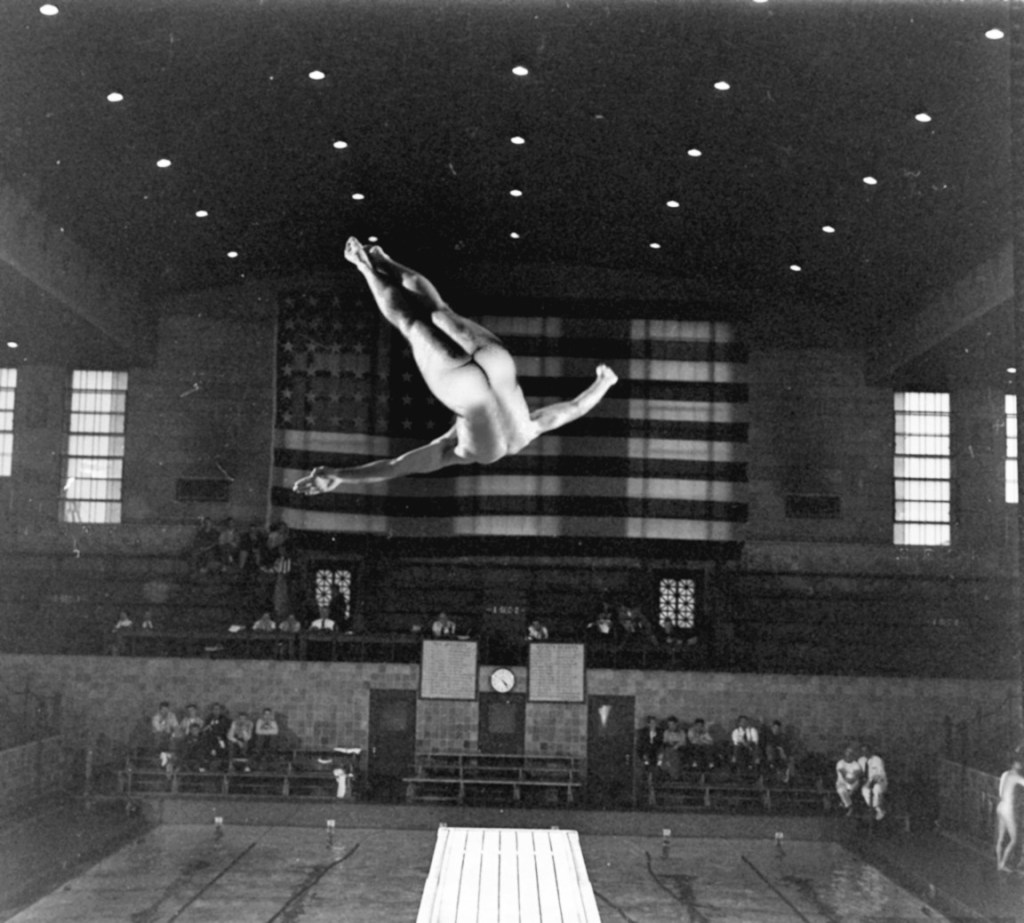
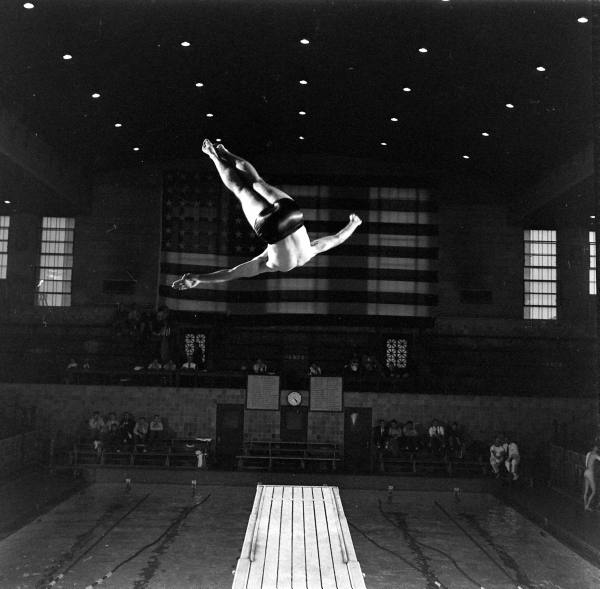
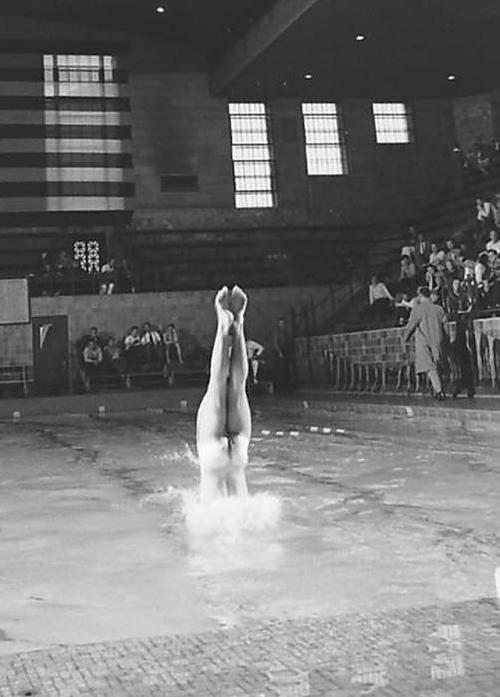
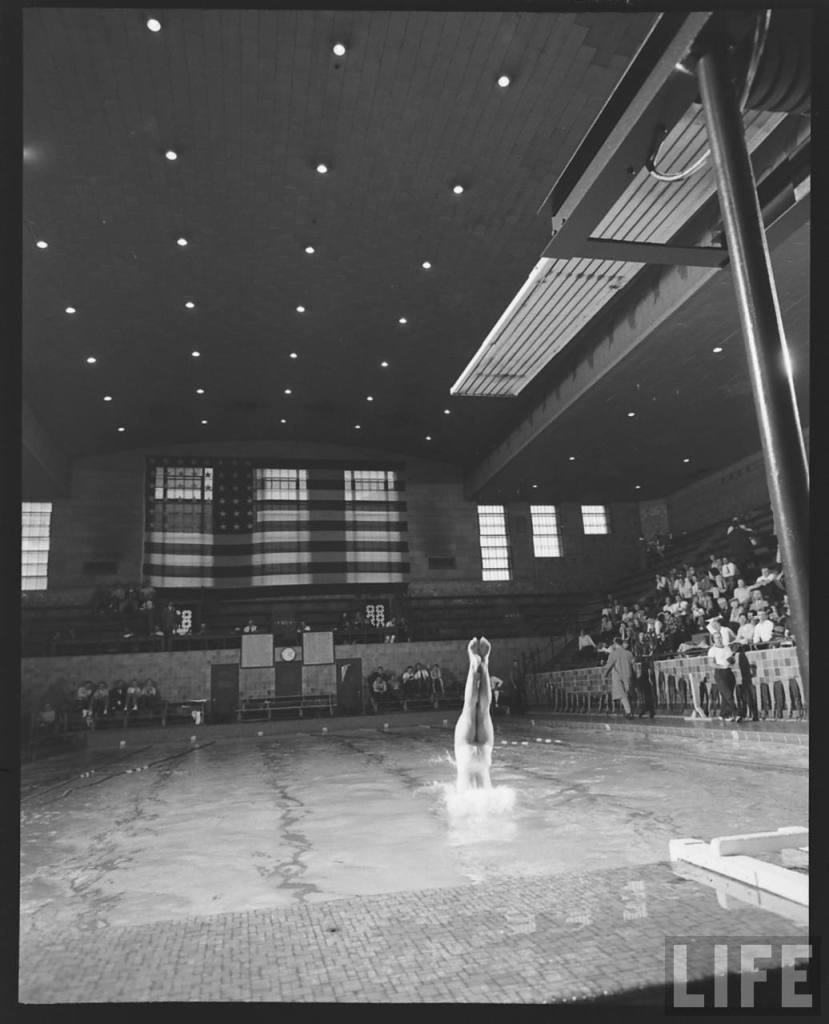
It so happens that LIFE was present for another intercollegiate swimming competition two years before in that same venue. The following pair of images (fake and real) are from that day in 1951.
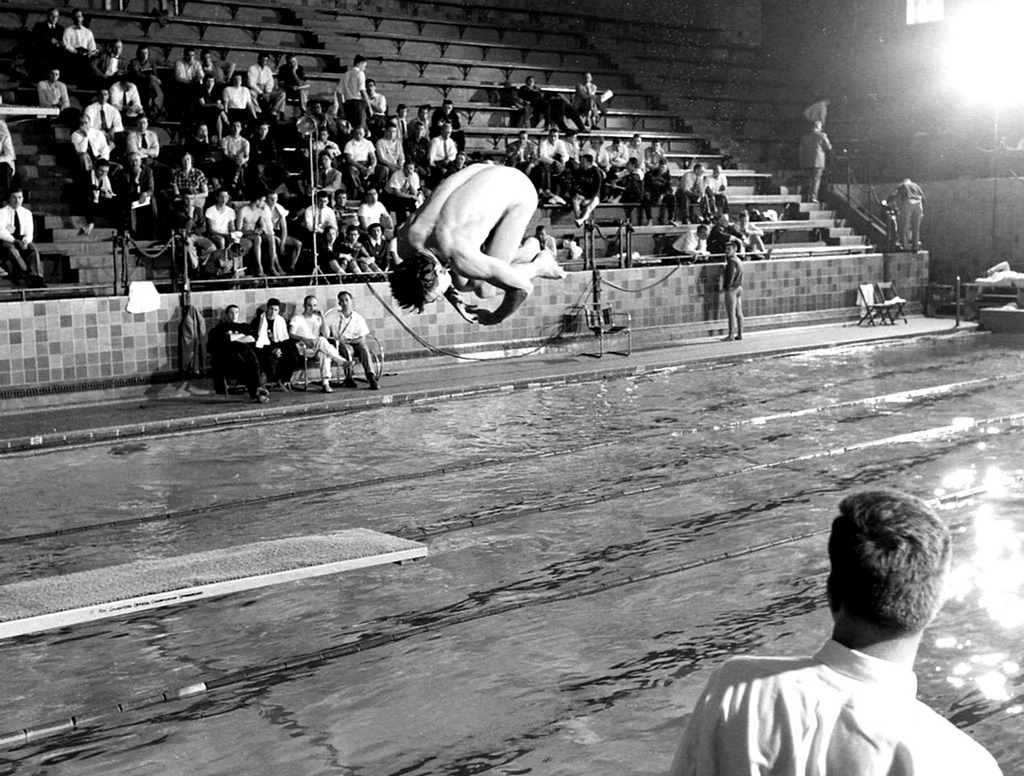
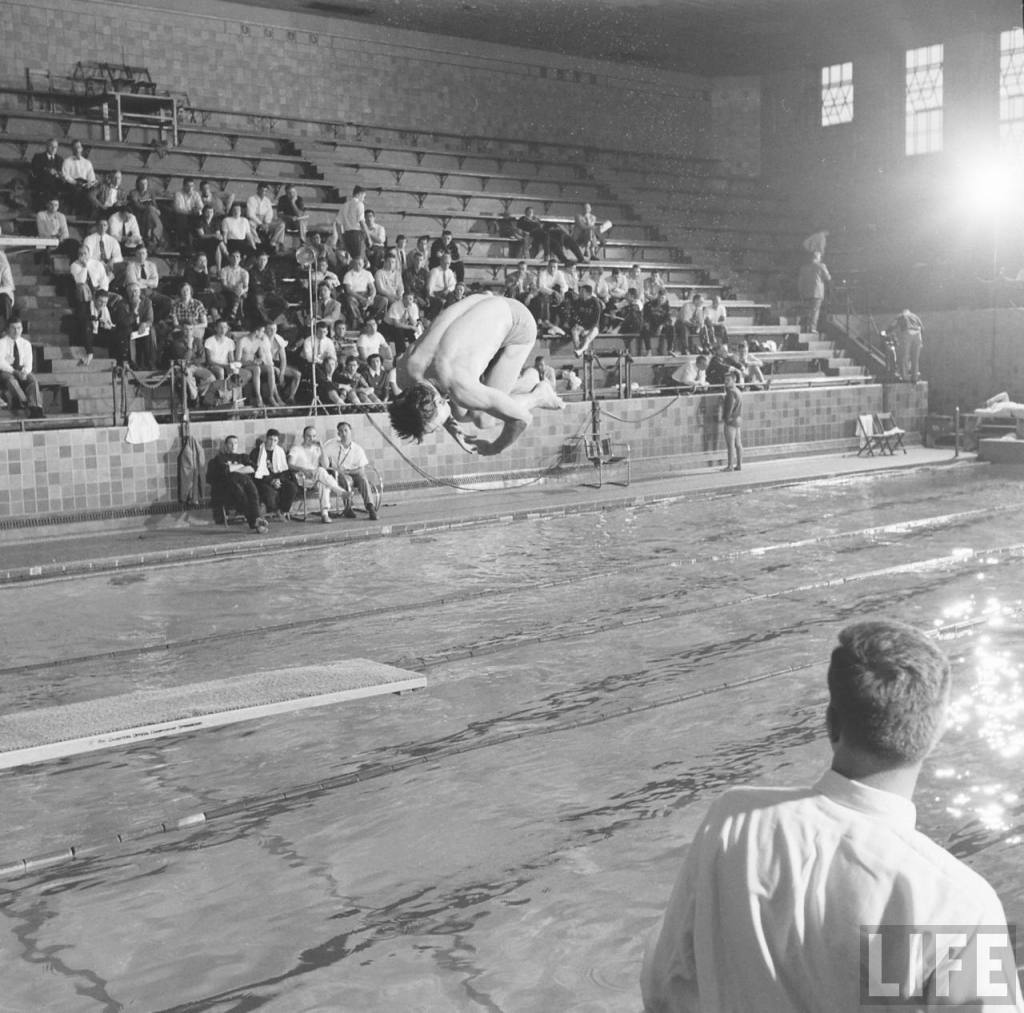
We’ve now completed our tour of the “PhotoShop” rogues’ gallery.
In fairness I should acknowledge a dirty little secret: My outrage at the deliberate falsification of historical images notwithstanding, alteration of photographic images has been going on as long as there has been photography. Indeed “dark room magic” was a thing long before the 20th century dawned. In the early days it served to address the shortcomings of the photographic process itself. Now it is so routine as to not be mentionable. If you’ve sat for a family portrait in a professional studio, the product you got back was Photoshopped. The visual media version of the old nip, tuck. You and yours look great, so what’s the problem? That may well be the attitude of the fakers we’re contending with.
In the next posting we’ll look at a different type of fakery that requires somewhat less skill but can still produce a plausible product.
 Historical Nude Male Swimming Images